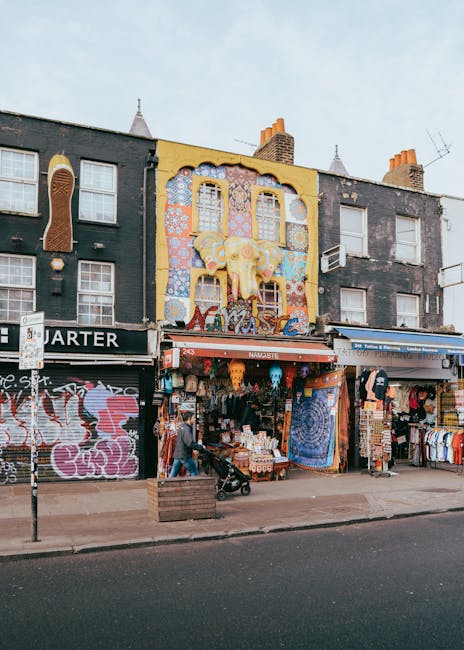
Camden Market stall cleaning guide for stallholders
Posted on 04/07/2026
If you run a stall in Camden, you already know the difference a clean setup makes. It is not just about looking tidy for five minutes before opening. It is about keeping stock presentable, protecting your surfaces, avoiding unwanted smells, and making sure your stall feels like somewhere people want to stop. This Camden Market stall cleaning guide for stallholders brings the whole process into one practical place, from daily wipe-downs to deeper resets after a busy trading day.
Truth be told, market cleaning is a bit different from cleaning a shop or an office. You are dealing with footfall, dust, food residue, rain, spilled drinks, packaging, shared walkways, and the classic London problem of everything getting grubby again just as you have finished. So let's keep this real and useful. Below you will find a step-by-step approach, common mistakes, a practical checklist, and a few sensible options if you want help beyond the basics. For wider background on local services and advice, you can also browse the Camden Carpet Cleaning blog and the company's services overview.

Why Camden Market stall cleaning guide for stallholders Matters
A market stall lives and dies by first impressions. Customers often decide within seconds whether to browse, linger, or keep walking. If your display has sticky residue, dusty shelving, stained fabric, or a faint food smell from yesterday, people notice. Maybe not consciously, but they do. A clean stall supports trust before you have even said hello.
There is also the practical side. Regular cleaning helps extend the life of tables, display stands, fabric canopies, baskets, acrylic signage, and flooring mats. Dust and grease build up quickly in a busy market environment, and once dirt gets into textured materials it becomes a lot harder to remove. You may also find that a cleaner stall makes stock rotation easier because you can see what actually needs replacing, repairing, or refreshing.
For stallholders in Camden, there is a rhythm to the day: setting up early, trading hard, then packing down when tired and cold. Cleaning often gets squeezed into the gaps. That is exactly why a simple, repeatable process matters. You do not need a perfectionist routine. You need a reliable one.
Expert summary: the best stall cleaning routine is not the fanciest one. It is the one you can repeat after a long day, in bad weather, without cutting corners so much that tomorrow becomes harder.
How Camden Market stall cleaning guide for stallholders Works
Good stall cleaning works in layers. Think of it as three levels rather than one big job.
- Before trading: remove dust, wipe surfaces, check for odours, and make sure display items are clean enough to handle.
- During trading: handle spills quickly, keep wiping cloths handy, and stop mess from spreading across stock or surfaces.
- After trading: pack down, clean food debris or dirt at the source, and reset the stall so the next day starts from a decent baseline.
The exact routine depends on what you sell. A jewellery stall needs different care from a food stall. Fabric-heavy displays need a different approach from metal racks. But the principle stays the same: clean little and often, then deep-clean on a schedule.
If you are using soft furnishings, curtains, padded seating, or upholstered display pieces as part of your stall design, it may help to read the company's guide to upholstery cleaning in Camden. And if you are dealing with carpets, runners, or floor mats in a covered stall or indoor unit, their carpet cleaning Camden page may be useful too.
Key Benefits and Practical Advantages
A proper cleaning routine does more than make things look pleasant. It changes how the stall works day to day.
- Better customer confidence: people are more comfortable touching stock and asking questions.
- Less wasted time: when the stall is kept in order, you spend less time hunting for wipes, bins, labels, or cleaning supplies.
- Lower damage risk: grime, moisture, and food residue can damage finishes and fabrics if left too long.
- Improved scent and atmosphere: fresh air and clean surfaces make the whole space feel more welcoming.
- Stronger brand presentation: a tidy stall says you care about detail, and customers tend to assume that care extends to the products too.
There is a subtle but real commercial benefit as well. Clean presentation helps premium items feel premium. It sounds obvious, I know, but people really do buy with their eyes first. A clean counter under warm lighting can make a huge difference, especially in the busier parts of the market when everyone is scanning stalls quickly.
Who This Is For and When It Makes Sense
This guide is for anyone trading from a stall, kiosk, stand, or temporary retail setup in or around Camden Market. That includes:
- food and drink sellers
- fashion and accessory stallholders
- homeware and gift traders
- craft, art, and print sellers
- vintage sellers
- seasonal pop-up traders
It makes sense if you want a more predictable routine, if you are preparing for a busier trading period, or if you have noticed small problems building up: sticky surfaces, dusty shelves, soiled fabric, awkward smells, or stock that looks tired before the day is even over. It also makes sense if you are trying to reduce the amount of "panic cleaning" you do at close of trade. Let's face it, nobody enjoys mopping up in a rush while trying to lock up and catch a train.
If your stall is part of a broader business setup, you may also benefit from the company's guidance on deep cleaning in Camden and one-off cleaning in Camden, especially before busy seasons or after a messy event.
Step-by-Step Guidance
Below is a straightforward cleaning process you can adapt to your own stall. Keep it simple enough to repeat, but thorough enough to make a difference.
1. Clear the stall first
Start by removing loose packaging, empty cups, broken display props, dead leaves, tape scraps, and anything else that collects in corners. The main aim is to expose the surfaces you actually need to clean. A cluttered stall looks dirtier than it is, and it slows everything down.
2. Dry clean before wet cleaning
Dust, crumbs, grit, and fabric fibres should be removed before you bring out sprays or damp cloths. Use a handheld brush, microfibre cloth, or soft vacuum attachment where suitable. This stops you from smearing dirt across surfaces and saves time later.
3. Wipe high-touch surfaces
Give extra attention to counters, handles, payment areas, shelving edges, menu boards, basket rims, and display hooks. These are the places customers and staff touch constantly. A surface cleaner that suits your materials is usually enough, but always test on a small hidden area first if you are unsure.
4. Clean stock-adjacent areas
Even if products themselves are clean, the areas around them can drag the whole look down. For example, grime around the base of a display, marks on the wall panel behind the stall, or fingerprints on acrylic signage can make everything look neglected. Clean the frame around the product, not just the product.
5. Deal with stains immediately
Spills do not improve with age. Tea, coffee, sauces, grease, and rainwater marks are all easier to manage if you act quickly. Blot rather than scrub when possible, especially with fabrics or printed materials. Scrubbing often pushes the stain deeper, which is annoying, and a bit rude from the stain, frankly.
6. Air out and neutralise odours
Fresh air helps, but not every stall has the luxury of perfect ventilation. If the stall area allows it, open up as much as possible before trading starts. Keep food waste sealed and removed regularly, and avoid mixing strong cleaning chemicals with scent-heavy products. You want "fresh", not "hospital corridor with lemon".
7. Finish with a reset
Once the surface clean is done, put everything back in its proper place. Straighten signage, align products, empty the bins, fold spare cloths, and check that any cleaning kit is ready for the next shift. A reset is what turns cleaning from a one-off job into a routine.
A useful habit is to split your routine into quick actions and slower actions. Quick actions happen daily. Slower actions, such as cleaning storage boxes, polishing fixtures, washing display textiles, or treating stubborn marks, can happen weekly or fortnightly depending on trade volume.
Expert Tips for Better Results
Here are the small details that make a stall cleaner, safer, and easier to manage.
- Use colour-coded cloths if you handle food: it helps stop cross-contamination between surfaces.
- Keep one dry cloth for dust, one damp cloth for surface cleaning: mixing them up is a classic way to spread grit around.
- Label your sprays clearly: no one wants to guess what is in the bottle at 6.45 in the morning.
- Build in ten-minute clean-downs: a tiny reset during the day is much easier than a huge clean later.
- Protect porous materials: untreated wood, fabric, and cardboard collect dirt fast. Where possible, use liners or washable coverings.
- Watch the weather: a wet Camden afternoon can track in mud and moisture fast, especially near entrances and busy walkways.
If your stall uses curtains, drapes, or decorative textiles, soft furnishing care matters too. The company's article on cleaning velvet curtains without losing their richness is a good reminder that delicate materials need a gentler approach than hard surfaces do.
One more thing: do not try to clean everything with one miracle product. There is no such thing, despite the optimistic labels. Different materials need different care.

Common Mistakes to Avoid
Most cleaning problems come from rushing, using the wrong products, or leaving small messes too long. These are the ones I see most often in busy trading environments.
- Using too much liquid: wet surfaces can damage stock, soften adhesives, and leave streaks.
- Scrubbing delicate finishes: this can dull paint, lift labels, or fray fabrics.
- Ignoring hidden areas: the back of the stall, undershelves, bin zones, and storage corners are usually where the worst dirt lives.
- Waiting until close to clean spills: by then they may have dried, spread, or attracted more dirt.
- Mixing products without checking: always read labels and never combine chemicals unless the instructions clearly say it is safe.
- Forgetting the customer side and only cleaning the back end: if the front looks messy, the rest does not matter much.
Another mistake is treating cleaning as purely cosmetic. In reality, it is also about workflow. A clean stall is faster to work in. You can pack down quicker, restock easier, and spot problems sooner. Small win, but a real one.
Tools, Resources and Recommendations
You do not need a huge kit. In most cases, a compact, practical set of tools is better than a cupboard full of products you never use.
| Tool or item | Best use | Why it helps |
|---|---|---|
| Microfibre cloths | Dusting, polishing, general wipes | They lift dirt well and are reusable |
| Soft brush | Crumbs, grit, corners, textured edges | Useful where cloths miss debris |
| Handheld vacuum | Floor mats, shelves, fabric edges | Speeds up dry cleaning |
| Gentle surface cleaner | Counters and fixtures | Works for most day-to-day wipe-downs |
| Disposable gloves | Messy or food-related cleaning | Helps protect skin and improve hygiene |
| Sealable waste bags | Packaging and spill waste | Controls odour and keeps the stall neat |
For traders who need support with heavier cleaning, it can be useful to explore the company's spring cleaning Camden page, especially if you are planning a seasonal reset or a fresh start before a busy trading period. If you want to understand the broader offering, the services overview is the best place to look. And if you need a tailored cost estimate, the pricing and quotes page explains how enquiries are handled.
Keep your cleaning kit in one place if you can. Nothing eats time like looking for the wipes while the kettle is boiling and three different jobs are happening at once.
Law, Compliance, Standards and Best Practice
Cleaning a market stall is not usually about complex legal issues, but there are still sensible standards to follow. If you sell food, cleaning and hygiene expectations are naturally stricter. If you sell non-food items, presentation and safe handling still matter. Across the board, you should keep your stall free from avoidable hazards, manage waste properly, and avoid creating slippery or cluttered areas.
Best practice usually includes:
- keeping cleaning products stored safely away from stock and food items
- following label instructions carefully
- using appropriate protective equipment where needed
- recording any recurring hygiene issue so it does not get forgotten
- making sure electrical items are kept clean and dry
- disposing of waste in line with venue expectations
If your stall setup includes electrical displays, lighting, or extension leads, be cautious around moisture and always clean with safety in mind. This is where the company's insurance and safety and health and safety policy pages may be useful to read alongside your own procedures. For trading terms and general service expectations, terms and conditions can also help set expectations around bookings and work scope.
If you are using outside help, make sure any provider is clear about what is included, what materials they will clean, and what access they need. A good cleaner should be able to explain their process plainly. If they cannot, that is a bit of a red flag.
Options, Methods or Comparison Table
Different stallholders will want different levels of support. Here is a simple comparison to help you decide what fits your setup.
| Method | Best for | Pros | Limitations |
|---|---|---|---|
| Daily self-cleaning | Most stalls | Low cost, quick, flexible | Can miss deeper grime if not scheduled well |
| Weekly deep reset | Busy or high-footfall stalls | Better hygiene, better presentation | Takes longer and needs planning |
| One-off professional clean | Seasonal refreshes, post-event resets | Useful for stubborn dirt and time pressure | Costs more than doing it yourself |
| Specialist fabric or carpet care | Stalls with soft materials | Protects delicate items and improves finish | Needs the right method for the material |
In practice, many stallholders do best with a hybrid model: quick daily cleaning, one regular deeper clean, and specialist help when something needs more than a standard wipe-down. That tends to be the sweet spot.
Case Study or Real-World Example
Imagine a vintage accessories stall that trades four or five busy days a week. The owner starts each morning with a ten-minute setup: dusting glass cases, wiping the counter, checking the mirrors, and brushing down the fabric table covering. Midday, there is usually a little spill of coffee, a smudge from handling stock, or a bit of rain tracked in from outside. Nothing dramatic. Just the usual market life.
Before adopting a routine, the owner was doing one big clean whenever things got noticeably bad. That meant the stall often looked tired by the end of the week. Small stains had time to settle, display cloths started to look grey, and the back area became a bit chaotic. After switching to smaller daily resets and a deeper clean once a week, the stall felt calmer and more consistent. Customers stayed longer. Stock looked better. Setup got quicker. Funny how that happens.
This kind of change does not require perfection. It just requires repetition. A few minutes here and there, plus a proper weekly reset, usually beats one heroic clean on a Sunday evening.
Practical Checklist
Use this as a quick pre-open or close-down checklist. Print it, write it down, or keep it on your phone. Honestly, whatever works.
- Remove loose rubbish, packaging, and empty cups
- Dry dust shelves, counters, and display edges
- Wipe high-touch surfaces
- Check for spills, stains, or sticky patches
- Empty and relined bins
- Inspect fabric coverings, mats, and soft furnishings
- Straighten stock and signage
- Make sure cleaning products are stored safely
- Check for odours or dampness
- Confirm the stall is reset for the next trading day
If you can tick off most of these in under fifteen minutes, you are in good shape. If it keeps taking much longer, that is usually a sign the routine needs simplifying or the deep-clean schedule needs tightening up.
Conclusion
A good Camden Market stall cleaning routine does not have to be complicated. It has to be consistent, practical, and suited to the way you actually trade. Keep the daily routine light but reliable. Deal with mess quickly. Give soft materials the right care. And do not wait for things to look awful before you reset them.
When your stall is clean, the whole trading day feels easier. Customers feel more comfortable. Stock looks sharper. You feel more in control. That matters more than people think. If your stall is due for a deeper refresh, or you want help with a more demanding clean, there are useful local options to explore through the site's cleaning service pages and advice articles.
Get a free quote today and see how much you can save.
And if you are building a stronger routine for your trading space, take it one day at a time. Small habits really do add up, especially in a market as lively and well-used as Camden.