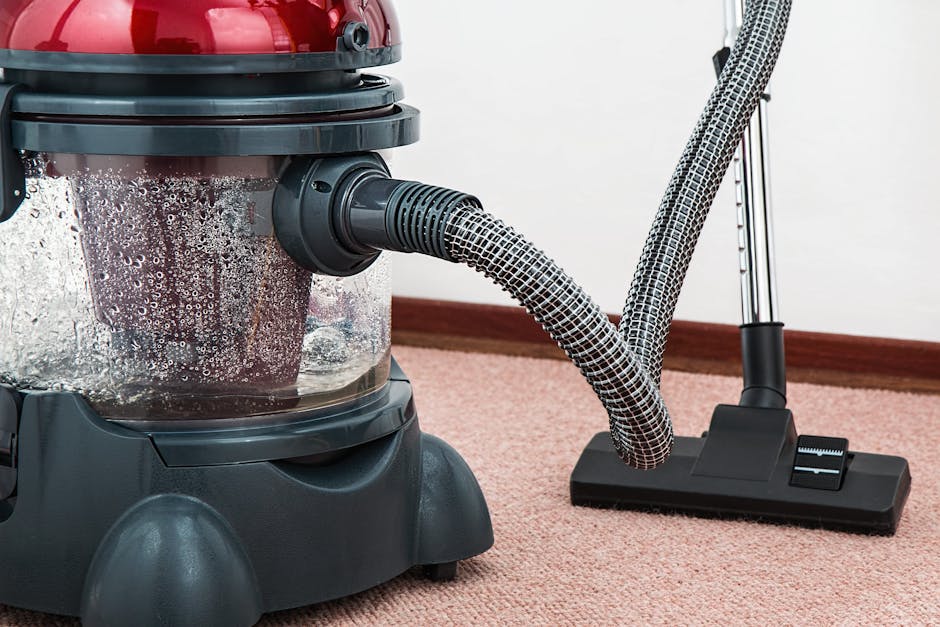
Carpet cleaning tips Chalk Farm NW1 flats
Posted on 16/07/2026
Carpet cleaning tips Chalk Farm NW1 flats: practical advice for small homes, busy lives, and better results
If you live in a Chalk Farm NW1 flat, you already know the reality: stairs can be tight, rooms can be compact, and carpets seem to pick up everything from city dust to the odd coffee spill. Good carpet care is not just about keeping things looking neat. It helps a flat feel fresher, last longer, and stay easier to live in day to day. In this guide to Carpet cleaning tips Chalk Farm NW1 flats, you'll find realistic, room-by-room advice, simple methods that work in flats, and the sort of practical detail people usually wish they had before trying to tackle a stain at 9pm on a Tuesday.
We'll cover what matters, how the cleaning process works, which mistakes cause the most trouble, and when it makes sense to bring in a professional. If you want a broader sense of services and support, you may also find the services overview useful, or, if your flat needs more than a quick tidy, the guidance on deep cleaning in Camden can help you judge what level of cleaning is actually needed.
Why Carpet cleaning tips Chalk Farm NW1 flats Matters
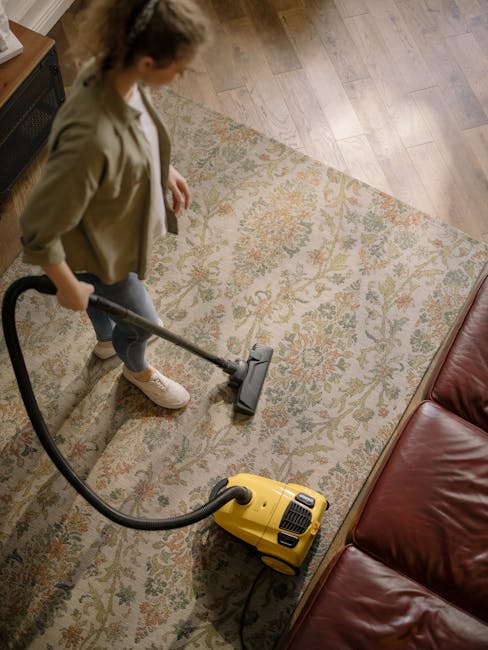
Flat living changes the rules a bit. In a Chalk Farm NW1 apartment, carpet fibres tend to hold onto daily traffic faster because rooms are often used hard and space is limited. One hallway, one living room, one bedroom - and suddenly the same path gets walked over and over again. That wear shows up as dull patches, flattened fibres, and a general "something's not quite fresh" feeling.
There's also the local reality of London life. Open windows bring in dust. Shoes carry in grit. Pets add dander. If you've got a flat near a busy road, soot and fine particles can settle quicker than you'd expect. That doesn't mean your carpets are doomed, of course. It just means small, regular habits matter more than heroic cleaning efforts once every blue moon.
For tenants, it can affect deposit outcomes. For landlords and agents, it affects how a flat is presented. For owner-occupiers, it affects comfort, smell, and even how clean the whole place feels when friends pop round. A well-kept carpet quietly lifts the entire room. A tired carpet does the opposite. Simple as that.
Expert summary: In smaller NW1 flats, the best carpet-care strategy is usually a mix of prevention, frequent light maintenance, and occasional deep cleaning rather than waiting until stains or odours become obvious.
How Carpet cleaning tips Chalk Farm NW1 flats Works
The basic logic is straightforward: remove loose dirt first, treat spots carefully, then clean the fibres in a way that suits the carpet and the space you live in. What changes in a flat is the practical setup. There may be less room to move furniture, less ventilation, and less tolerance for soaking carpets that need to dry before bedtime. Truth be told, that last point trips people up all the time.
Most carpet cleaning falls into one of three approaches:
- Vacuum and spot clean for day-to-day maintenance.
- Low-moisture or controlled moisture cleaning for deeper refreshes in flats where drying time matters.
- Hot water extraction or professional deep cleaning for heavy soil, stains, tenancy handovers, or older carpets that need a proper reset.
Each method has a different impact on drying time, stain removal, and how much disruption you'll have indoors. In smaller homes, that disruption matters. If you only have one hallway, one drying area, and not much spare floor space, you need a plan that fits the flat, not the other way round.
If you're thinking about cleaning as part of a broader home refresh, the seasonal approach in spring cleaning in Camden is a useful way to connect carpet care with other jobs that make a flat feel genuinely reset. And if your carpets are being cleaned because you're moving out, end of tenancy cleaning in Camden gives a better sense of the standards often expected at move-out time.
Key Benefits and Practical Advantages
Good carpet cleaning is not just cosmetic. You notice the difference when you walk into the room, but there are a few other advantages worth spelling out.
- Freshens the whole flat: carpets absorb odours from cooking, pets, shoes, and everyday life.
- Supports better upkeep: regular cleaning stops dirt from grinding into fibres and making wear worse.
- Makes small spaces feel bigger: a cleaner carpet reflects light better and removes that dull, heavy feeling.
- Helps with tenancy standards: clean carpets can reduce friction during check-out inspections.
- Improves comfort: soft, clean flooring simply feels better underfoot, especially in bedrooms.
There's a subtle benefit too. Clean carpets calm a room down. That may sound a bit fluffy, but anyone who has walked into a flat with fresh flooring knows exactly what I mean. The space feels more settled, less cluttered, even if the furniture has not changed at all.
And if your flat is part of a wider property plan - maybe you're preparing to sell or let - the presentation angle matters. Articles like guide to selling property in Camden and successful real estate investments in Camden show how first impressions affect the value story around a home. Carpet condition is a quiet part of that story, but a real one.
Who This Is For and When It Makes Sense
This advice is useful for a few different types of people, and each one has slightly different priorities.
- Tenants who want to keep a flat tidy and avoid avoidable cleaning disputes.
- Landlords who need carpets presentable between lets.
- Homeowners who want a better day-to-day living environment without overcomplicating it.
- Flat sharers who are dealing with mixed habits, mixed schedules, and maybe one person who always drops toast on the rug. We all know one.
- People with pets or children who need practical, repeatable routines rather than one-off "big clean" efforts.
It makes sense to act before stains set, before smells build, and before fibres flatten beyond easy recovery. If you wait too long, even a decent clean can become more of a restoration job. Not impossible, just harder.
For people juggling busy flat life, the best time to tackle carpet care is usually when you're already doing another job - after a window clean, before guests arrive, or during a planned weekend reset. That way it actually happens. To be fair, that matters more than having the fanciest products.
Step-by-Step Guidance
If you want a practical routine that works in most Chalk Farm NW1 flats, follow this sequence. It keeps things controlled and reduces the risk of spreading dirt or over-wetting the carpet.
- Clear the area you can safely move. Start with lightweight furniture, footstools, baskets, and loose items. Don't try to empty the whole flat unless you need to; just create enough space to work properly.
- Vacuum slowly and thoroughly. Go in multiple directions if the carpet pile allows it. One fast pass is rarely enough. A slower vacuum pulls up more grit, especially along skirting edges and in corners.
- Identify spots before cleaning. Check for food, drink, mud, ink, pet accidents, and any sticky residue. Different stains need different handling. One-size-fits-all is where people get into trouble.
- Blot, don't rub. Use a clean white cloth or paper towel to lift excess moisture. Rubbing pushes the stain deeper and can rough up the fibre. It's a classic mistake.
- Test any cleaning solution first. Pick a hidden corner or under-furniture patch. Wait for it to dry and check for colour change or fibre damage.
- Apply the solution sparingly. Less is often better in flats. Over-wetting can lead to slow drying, musty smells, and a crunchy carpet backing if you go overboard.
- Work from the outside of the stain inward. This helps avoid spreading the mark into a bigger ring.
- Rinse lightly if needed. Residue attracts dirt. If your method leaves cleaner behind, remove it carefully with a damp cloth or an extraction step suited to the carpet.
- Dry with airflow. Open windows when possible, use a fan if you have one, and keep walking traffic off the area until dry. In a flat, this part is not glamorous, but it matters hugely.
- Reset the pile. Once dry, a soft brush or clean towel can help lift flattened fibres in walkways and door thresholds.
If you live in a compact apartment, you may not have room for endless equipment. That's fine. A careful routine beats a chaotic one, every time.
Expert Tips for Better Results
These are the details that tend to make the biggest difference in flats, especially where drying space and time are limited.
- Vacuum more often than you deep clean. That keeps grit from grinding into the pile and reduces the need for aggressive treatment later.
- Treat stains immediately. Fresh spills are far easier to manage than those left until the next day. Coffee at breakfast is one thing; coffee after a full workday is another story entirely.
- Use as little water as possible. In flats, excess moisture can linger under furniture or at carpet edges.
- Lift furniture feet if you can. Even a simple bit of airflow under a sofa helps the carpet dry more evenly.
- Mind ventilation. A slightly open window and steady air movement are usually better than blasting heat into the room.
- Handle delicate carpets with extra caution. Wool, blends, and older carpets may need gentler treatment than synthetic fibres.
- Keep an eye on the backing. If a carpet stays damp too long, the backing and underlay can hold moisture. That's where smells and issues can begin.
A small but useful trick: if a corridor gets the same foot traffic day after day, rotate mats or runners before the wear line becomes obvious. It sounds almost too basic, but the boring basics often save the day.
If you like doing a broader tidy alongside carpet care, you may also find the advice in cleaning velvet curtains without losing their richness handy, because soft furnishings and carpets age together visually. One fresh item makes the other look better, and vice versa.
Common Mistakes to Avoid
Most carpet problems in flats are not caused by one huge disaster. They come from a handful of repeat mistakes.
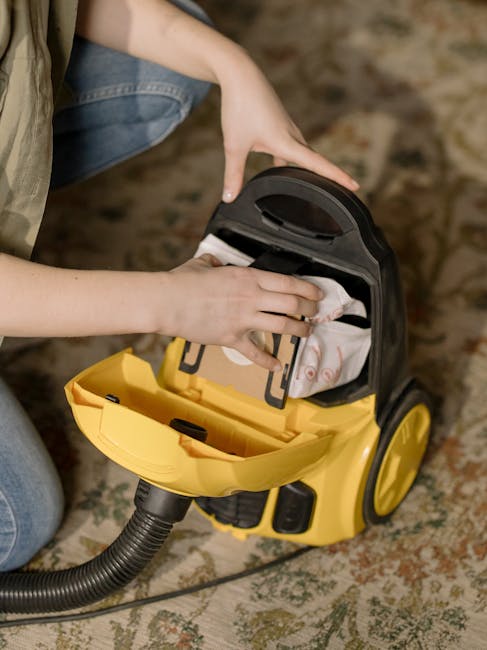
- Using too much detergent. Residue is sticky and attracts dirt, which means the carpet gets grimy again faster.
- Scrubbing aggressively. This can distort fibres and spread stains wider.
- Soaking the carpet. Slow drying is a real issue in flats, especially in cooler months or poorly ventilated rooms.
- Ignoring the underlay. The visible surface may look fine while moisture remains below.
- Mixing cleaning products. That is never worth the risk. Use one method at a time and keep it simple.
- Forgetting the edges and corners. Dirt loves borders. So do crumbs, annoyingly enough.
- Waiting until moving day. A rushed clean is rarely a good clean.
There's also a psychological mistake people make: assuming the carpet looks okay, so it must be okay. Sometimes it does. Sometimes it doesn't. A faint smell, a flat patch, or a slightly greyed hallway can tell you more than a quick glance in daylight.
Tools, Resources and Recommendations
You do not need a warehouse of gear to look after carpets in a Chalk Farm NW1 flat. In fact, simpler is usually better.
| Tool or resource | Best use | Why it helps in a flat |
|---|---|---|
| Vacuum with good suction | Regular maintenance and grit removal | Reduces wear and keeps stairs, halls, and small rooms fresher |
| White microfibre cloths | Blotting spills and lifting residue | Cheap, reusable, and easy to inspect for transferred colour |
| Soft carpet brush | Reviving pile after drying | Useful for walkways and flattened traffic areas |
| Spot cleaner suitable for your fibre type | Targeted stain treatment | Helps avoid over-wetting and over-treating the whole room |
| Portable fan or airflow aid | Drying support | Very helpful where flat ventilation is limited |
| Professional cleaning service | Deep cleaning, move-out cleans, or difficult carpets | Saves time and reduces the risk of using the wrong method |
If you're comparing service types, it can help to look at the broader picture too. Some people only need a single visit, while others benefit from recurring domestic care. Pages like one-off cleaning in Camden, domestic cleaning in Camden, or house cleaning in Camden may help you think through the right level of support for your situation.
And if a carpet issue has spread beyond the floor, perhaps into sofas or dining chairs, the page on upholstery cleaning in Camden can be relevant too. Soft furnishings usually tell the same story as the carpet - just in a slightly different accent.
Law, Compliance, Standards, or Best Practice
For most residents, carpet cleaning is a practical household task rather than a regulated specialist activity. Still, there are sensible standards and obligations to keep in mind.
If you're renting, always check your tenancy agreement before using strong products or booking services that might affect the property. The main point is to return the flat in a condition that matches normal expectations, allowing for fair wear and tear. That phrase gets used a lot, and usually with good reason.
If you are a landlord or managing property, use reasonable care with any contractor you bring in. Insurance, safety awareness, and clear communication matter. If you want to understand how this business approaches those issues, the pages on insurance and safety, health and safety policy, and terms and conditions are worth a look.
For service providers, good practice typically includes:
- testing products on an inconspicuous area first,
- using methods appropriate to carpet type,
- protecting surrounding surfaces,
- managing drying times carefully,
- and being clear about what is included before work begins.
That last part is not glamorous, but it avoids a lot of misunderstanding. Clarity is boring until it saves everyone a headache.
If you prefer to understand the company background before booking anything, the about us page is a sensible place to start, and the pricing and quotes page can help you judge expectations without guesswork.
Options, Methods, or Comparison Table
Choosing the right method is usually about balancing stain level, carpet type, drying time, and convenience. Here's a simple comparison that works well for flat living.
| Method | Best for | Pros | Watch-outs |
|---|---|---|---|
| Vacuuming and spot cleaning | Weekly maintenance and minor spills | Fast, inexpensive, low disruption | Won't remove deep-set soil or embedded odours |
| Low-moisture cleaning | Routine refreshes in compact homes | Quicker drying, less risk of oversaturation | May not shift heavy staining or old residue |
| Hot water extraction | Deep soiling, tenancy handovers, larger jobs | Strong cleaning power, thorough soil removal | Needs careful drying and more room management |
| Professional visit | Delicate carpets, recurring stains, busy households | Expert assessment, better risk control | Costs more than DIY, so it should be matched to need |
As a rule of thumb, if the carpet is basically fine but just looks tired, low-moisture care or a thorough domestic routine may be enough. If the room smells stale, the carpet has visible traffic lanes, or you're preparing for a landlord inspection, a deeper method usually makes more sense.
Case Study or Real-World Example
Imagine a typical NW1 one-bedroom flat: narrow hallway, small living room, and a bedroom carpet that's mostly hidden under furniture until you move the bed and see the truth underneath. The resident has a dog, works from home, and often eats at the coffee table. Nothing dramatic. Just normal life, really.
What tends to happen in this kind of flat is a slow build-up of dullness near the door, a few old spots near the sofa, and a faint smell that seems to appear after rainy weather. The fix is rarely one magic product. It usually looks like this:
- vacuuming the hallway twice a week instead of once,
- treating small spills on the same day,
- using a fan after spot cleaning,
- lifting furniture feet where possible,
- and booking a deeper clean before the carpet reaches the "this really needs help" stage.
That sort of routine makes the flat feel noticeably more comfortable. Not showroom perfect, just properly looked after. And to be fair, that is what most people actually want.
One client-style pattern we see often is this: the carpet does not look disastrous, but once it is cleaned properly the whole flat suddenly smells lighter and looks brighter. It's the quiet transformation that people notice the moment they come back from work, kick off their shoes, and think, yes, that feels better.
Practical Checklist
Use this as a quick pre-clean checklist for a Chalk Farm NW1 flat.
- Vacuum all carpeted rooms slowly, including edges and corners.
- Remove lightweight furniture or objects that block access.
- Check the carpet fibre type if you know it.
- Test any cleaning product in a hidden spot.
- Blot spills rather than scrubbing them.
- Keep water use controlled and avoid saturation.
- Allow enough drying time before moving furniture back.
- Ventilate the flat where possible.
- Treat high-traffic zones separately if needed.
- Plan a deeper clean before tenancy end, guests, or a seasonal reset.
Quick reality check: if a stain has been sitting there for ages, don't expect a quick dab and a prayer to fix it. Sometimes the smarter move is to stop before you make it worse and bring in help.
Conclusion
Good carpet care in a Chalk Farm NW1 flat is mostly about timing, restraint, and consistency. A little regular attention goes a long way in a compact home, and the results are usually bigger than people expect. Cleaner carpets make the whole flat feel calmer, fresher, and easier to live in. They also help with presentation, whether you're staying put, moving on, or simply trying to keep on top of things without turning cleaning into a second job.
Start with the basics: vacuum properly, deal with spills quickly, avoid oversoaking, and choose the cleaning method that suits your flat rather than the other way around. If the job looks bigger than a simple refresh, that is not a failure. It just means the carpet is asking for a more careful approach.
If you'd like tailored help for your flat, you can explore the relevant service pages, read more in the blog, or speak with the team directly through contact or request a tailored estimate via request a quote.
Get a free quote today and see how much you can save.